
Bending the curve: lessons from my first New York Climate Week
 Giulia Ceccarelli, Head of External Affairs, World Biogas Association
Last week I attended New York Climate Week for the first time, representing the global biogas sector. It was a packed programme, and it began with a presentation that framed everything that followed.
On the first day, Professor Johan Rockström presented the latest assessment of the nine planetary boundaries. The headline is alarming: seven of the nine have now been crossed, with pressure on every one of them still rising. Rockström was equally clear about what it will take to bend the curve. There is no single lever. Several things must happen at the same time. We must dramatically reduce anthropogenic CO₂ emissions by delivering the energy transition, and transform our food and agriculture systems. We must also scale up anthropogenic carbon removals dramatically, while making sure the land and ocean carbon sinks keep working as they should.
I carried that message into every room I entered for the rest of the week.
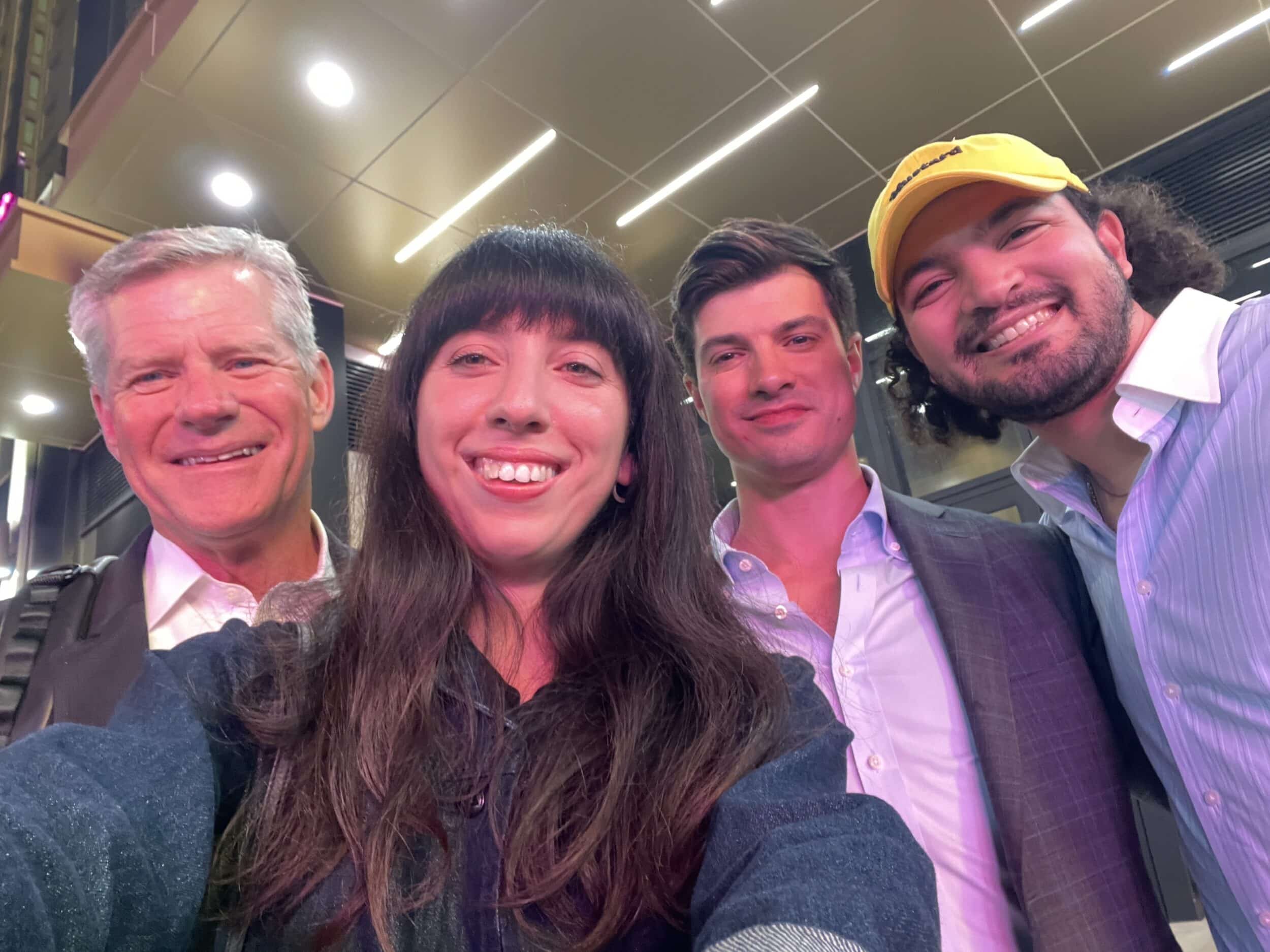
My diary was full. I took part in many events including the Climate Implementation Forum, the Scaling Biofuels roundtable hosted by the Global Biofuels Alliance, The Future of Food and Agriculture, and Impact Accounting, hosted by Molecule Group. Between sessions there were countless networking events and receptions, where I met stakeholders whose support will be vital to advancing the biogas agenda.
One moment stands out. At the Climate Implementation Forum, I heard a compelling speech by Francesco La Camera, Director-General of IRENA, whom I have long admired. He spoke about the need for electrification, the successes so far and the recent slowdowns, particularly on energy efficiency. As luck would have it, we left the session at the same time and found ourselves in the same lift. I took the chance to compliment him on his speech. When I mentioned that I work in the biogas sector, he immediately handed me his card and told me to get in touch, because biogas is an important part of IRENA’s work.
I found that exchange telling. His speech was about electrification, yet his response to biogas was one of interest rather than rivalry. The two coexist and complement each other, and neither can thrive without the other.
It reflects a wider point that stayed with me all week. Within the community of the converted, those who care about climate change and want to act on it, we still spend too much energy debating which solution deserves to win. Is it renewables or biofuels? Is it nature-based or technological removals? Rockström’s presentation shows how unhelpful that debate has become. The scale of the task means we cannot afford to pick winners. Every solution at our disposal is essential, and every one of them must be scaled up. The question we should be asking is not “which solution deserves to scale?” but “how do we scale all the solutions we need, and how fast?”
That is why I am confident in the role of biogas. Anaerobic digestion turns organic wastes into renewable energy, supporting the energy transition. It returns nutrients and organic matter to soil as biofertiliser, supporting sustainable food and agriculture. It produces biogenic CO₂ that can be captured for use or storage, supporting carbon removals. And it prevents methane from entering the atmosphere in the first place. Few solutions can contribute to so many of the goals set out by Rockström at once.
New York was a reminder of how monumental the task ahead is. It was also a reminder that the right people are in the room, and that the case for collaboration over competition is gaining ground. As we move towards COP31, the WBA will keep making the case that biogas is a vital part of the portfolio of solutions we need.