

COP31: Biogas moves from the margins to the mainstream, and now it must deliver
This was my sixth COP. I have attended everyone since Glasgow in 2021, and the transformation of the climate agenda over that time has been remarkable. At COP26, biogas was a niche topic, and the climate impact of methane was only just entering the mainstream conversation. In Antalya, the themes that define our sector were everywhere: methane, waste, future fuels. Biogas is increasingly recognised as a practical solution that sits at the intersection of all of them.
Methane is now a core part of the conversation
Methane and the practical solutions to abate it were woven into countless ministerial meetings, side events and high-level discussions. That is a long way from where we started. Methane is the fastest lever we have for slowing near-term warming, and biogas is one of the few technologies that tackles it at source while producing renewable energy, renewable fertilisers and bio-CO₂ to replace fossil-based equivalents.
But the Global Methane Pledge Ministerial gave a stark reality check. Martina Otto, Head of the Climate and Clean Air Coalition (CCAC) Secretariat, set out the position plainly: global methane emissions are still rising. Even if every existing methane commitment and policy worldwide were fully implemented today, we would achieve only around a 10% reduction, far short of the 30% the Pledge promised.
Waste is finally a priority
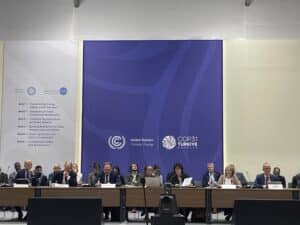
For the first time, waste was a top priority at a COP, thanks to the leadership of the Türkiye Presidency. Initiatives like Zero Waste districts champion upstream food waste prevention alongside the segregation of organic waste, which creates the feedstock that biogas needs.
This is the shift we have been calling for. For too long, organic waste has been treated as “just waste”, when it is a key resource. Putting waste on the COP agenda is the first step towards the policies, infrastructure and collection systems that will let the sector scale.
Future fuels step into the limelight
Electrification has always received, and rightly so, a great deal of attention at the COPs, and Antalya was no different, with renewed calls for higher electrification targets. But electrification cannot do everything. In hard-to-abate sectors such as aviation, shipping, heavy industry and heavy-duty road transport, where it plays a smaller role, we also need sustainable fuels.
What has changed is the profile of that conversation. Since the G20 under India’s presidency, and then under Brazil’s, culminating at COP30 in Belém, future fuels have finally found their limelight. The Belém 4x Pledge to quadruple the use and production of sustainable fuels by 2035 was a landmark moment. It meant COP31 featured dedicated events on the topic, and the IEA published a report taking stock of progress one year on from Belém. The question is no longer whether future fuels belong at the COPs, but how fast we can deliver them.
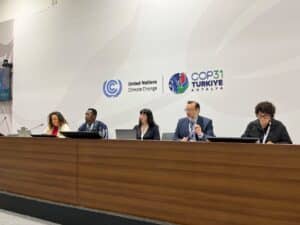
Maritime shows the shift most clearly. With the IMO discussing a global Net Zero Framework, the shipping industry is taking a far greater interest in the COPs, and many panels addressed the sector’s decarbonisation. Bio-LNG was repeatedly highlighted as a practical solution, because it works with existing LNG vessels and infrastructure and delivers real emissions reductions. I was pleased to speak on one of these panels alongside Josiani Napolitano, President of ABiogas, and Percy Soares Neto, Executive Director of Orizon Valorização de Resíduos.
From Declarations to Delivery
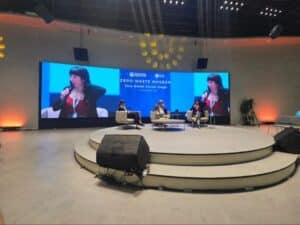
The Declaration on Biogas launched on Thursday 12th November gives the sector a dedicated political marker, spotlighting the wide-ranging co-benefits: methane abatement, renewable energy, waste management, sustainable agriculture and the circular economy. We now hope countries will endorse it and commit to the growth of the sector.
Most importantly, however, declarations must translate into implementation on the ground: putting the right policies, regulations and standards in place, country by country, so this industry can scale rapidly, professionally and sustainably. That is the mission behind the World Biogas Association’s #MakingBiogasHappen programme, with the Global Biogas Regulatory Framework (GBRF) and the Anaerobic Digestion Certification Scheme International (ADCS International). Alongside our high-level sessions, roundtables and official COP31 side event, the most valuable part of our COP was, therefore, the direct conversations. We met numerous governments, state actors and NGOs that want to work with us to adapt the GBRF and ADCS International to their local conditions to accelerate implementation.
More attention means more scrutiny, and that is a good thing
There is a flip side to this momentum. As the world focuses on cutting methane, the biogas sector is coming under greater scrutiny for its own methane emissions. We should welcome that, and we should be honest about it.
Biogas can only claim to be a methane mitigation solution if it is built and operated to minimise its own leakage. Emissions from digesters, storage, gas upgrading and handling, and from poorly managed digestate, undermine the climate case if left unchecked. Regulators, investors, customers and critics are asking harder questions, and they are right to do so.
For a sector positioned as a key methane solution, getting this right is not optional. Our priorities should be:
- Measure properly. Monitoring, reporting and verification built on robust, transparent data rather than assumptions.
- Detect and fix leaks. Routine leak detection and repair, and operators who treat lost methane as lost revenue and lost credibility.
- Raise standards. Good-practice guidance, training and clear regulation so that performance is consistent across the industry, not just among the leaders.
- Share what works. Technology and operational lessons that make low emission plants the norm.
Credibility is the sector’s most valuable asset. If we scale quickly without it, we risk undermining the case we are making. If we pair ambition with proven performance, we strengthen it.
That is why the World Biogas Association’s ADCS International matters. It sets minimum standards for biogas and biomethane plants and includes a whole module dedicated to leak detection and repair (LDAR), so that methane performance is assessed and verified rather than assumed. Standards like this give regulators, investors and customers confidence in the sector, and give operators a clear benchmark to meet.
The World Biogas Association will keep working with members and partners to make this the standard, so that every plant, not just the leaders, can show it is part of the methane solution.
The negotiations: a wake-up call for the COP process
It would be wrong to write about COP31 without mentioning how the formal negotiations ended. After record overtime, talks collapsed without an overarching agreement. The final text failed to mention fossil fuels at all, and the EU said it could not support a text that did not even name them as a driver of climate change. In my view, that was the right call. A hollow text would also have ignored the fact that almost 30 countries have now delivered, or committed to deliver, roadmaps to transition away from fossil fuels.
The lesson, as with COP30, where the fossil fuel roadmap was taken outside the formal process, is that coalitions of willing governments can move faster than consensus allows. The formal talks, including the finance and adaptation questions now carried over to COP32 in Addis Ababa, remain essential, but we should be willing to rethink how COPs work.
For biogas, the point is simple. The momentum we saw in Antalya does not depend on the outcome of the negotiating text. It is being driven by governments, businesses and communities that are acting on methane, waste and energy now.
The time to scale is now
The biogas sector is making huge strides, and the recognition in Türkiye shows how far we have come. Yet the gap between ambition and action remains wide. Closing it will take better policy, better standards, and a sector that holds itself to the highest performance on methane. That is how we turn recognition into delivery.