Just energy transitions through biogas: empowering women, empowering communities
As the world makes strides towards adopting more sustainable energy, biogas is emerging not only as a significant contributor, but as a powerful tool for empowerment and just energy transitions. This is evidenced in the kitchens of rural villages all the way to the decision-making spaces of clean energy and circular economy initiatives.
Women in biogas: changing the face of leadership
The leadership landscape in the biogas sector is evolving, and nowhere is that more evident than in Brazil. Mulheres do Biogás, a national network for women in the biogas sector, is setting an inspiring precedent. With over 530 members and 38 dedicated volunteers, this network promotes mentorship, shared learning, and career advancement for women in what has traditionally been a male-dominated field. Their recently released Good Practice Guide for Gender Equality shows transformations taking place in work environments.
Diverse and inclusive companies consistently outperform their peers in productivity, profitability and innovation. And as the biomethane industry grows, it has a responsibility to reflect those values.
Mentorship has been key. Women in Mulheres do Biogás report increased confidence in taking professional risks thanks to strong mentorship programmes. These programmes are most effective when mentors don’t just advise, but actively champion their mentees – paving the way for real leadership opportunities.
The network also advocates for structural changes that make work–life balance possible: equitable maternity and paternity leave policies, family-friendly work environments, and early access to STEM education for girls. These aren’t just HR issues – they’re essential strategies for a truly just energy transition.
WBA published its Women in Biogas Survey results in 2024, which showed that while more biogas companies are adopting gender equality policies and formal women’s groups, women remain significantly under‑represented – especially in senior leadership roles – with many firms reporting less than 25% female representation in top management. Additionally, the report highlights the need for systematic mentorship and data‑driven inclusion strategies in the workforce.
This and many more detailed discussions were led by WBA’s Policy Lead Kavya Koonampilli, who was joined by Leidiane Mariani, Executive Director of Amplum Biogás; Lisa Kitt, Co-Founder of RNG Girls; Juliana Mattos Bohrer Santos, Co-ordinator of Mulheres do Biogás (Women in Biogas Network); and Tim Coombes, Head of Communications for Future Biogas.
Clean cooking: saving lives and time
Biogas is not just supporting the transition of our national energy systems – it’s saving lives in homes. Every year, indoor air pollution from traditional cooking fuels like wood and charcoal kills more people than malaria, HIV/AIDS and tuberculosis combined, disproportionately affecting women and children.
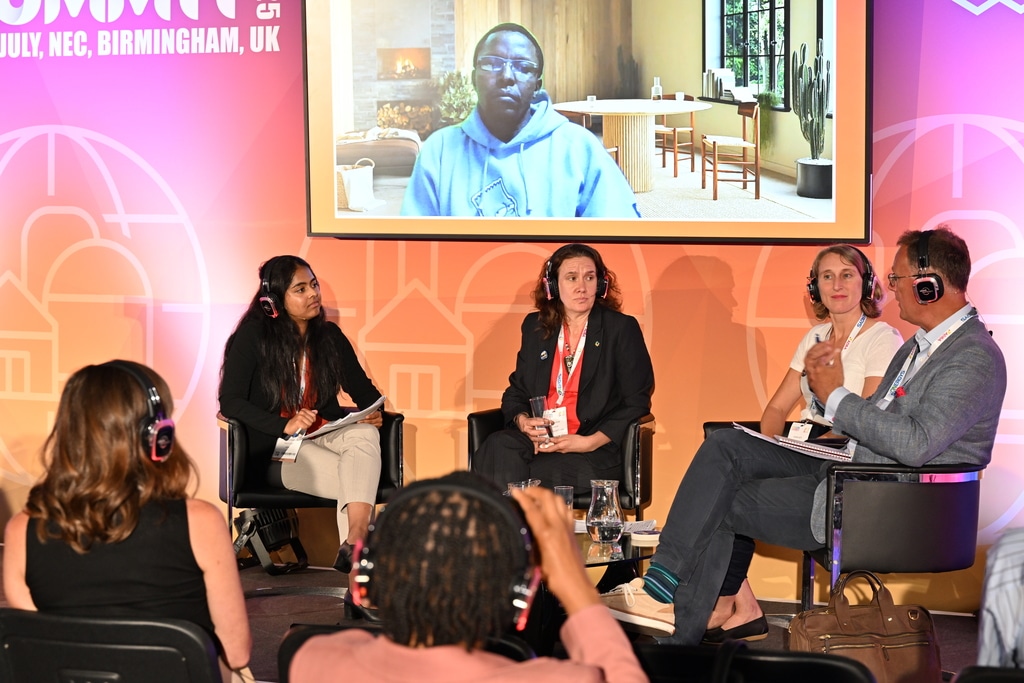
For the first time at the World Biogas Summit, WBA led a discussion on the important topic of biogas for clean cooking. By turning organic waste into clean cooking gas, small-scale biogas systems reduce toxic smoke and free up hours otherwise spent collecting firewood – time that can go towards education, work or rest. The benefits go beyond energy: households also gain organic fertiliser and income opportunities.
Biogas systems are low-tech and adaptable, yet many still fail due to a lack of maintenance, support and stigma around the technology.
What’s needed is training, financing and long-term business models. Governments, companies, NGOs and communities all have a role to play in making biogas a sustainable part of the energy transition.
Biogas supports all 17 UN Sustainable Development Goals – from health and education to gender equality and climate action. It’s time to invest not just in the technology, but in the people and communities who can lead with it.
Yet, some challenges were unearthed during the session. Many biogas installations are treated as one-off projects with no ongoing support or maintenance. When systems break down, families are often left without the skills or knowledge to fix them – even though the problems are usually minor. There’s also a persistent stigma: biogas is seen as a “technology for the poor” rather than a tool for empowerment.
The panel also noted that foreign aid projects sometimes compete with local biogas businesses, undermining the development of a private sector. Yet the value proposition is strong. Biogas might have higher upfront costs, but the long-term benefits – especially for women – are far greater.
Everyone can play a role in advancing just energy transitions through biogas:
- Governments can create supportive policies and incentives to support uptake of small-scale biogas plants in regional and rural communities.
- Companies can inculcate equitable cultures and practices so that no one is left behind.
- NGOs and aid agencies can focus on long-term capacity building, not just installations.
- Communities and individuals can learn about biogas, advocate for access, and share knowledge.
The panel was led by WBA’s Policy Lead Kavya Koonampilli, who was joined by Katrin Puetz, CEO of (B)energy and BiogasUnite; Kathy Puffer, Founder of Biogas Education Hub; with a special message from Rose Bazile, Consultant at University Notre Dame Haiti; Caleb Wasilwa, Founder and Chief Technology Officer of Home Biogas Kenya Ltd; and Alex Mayhook-Walker, Special Adviser to Meren Energy (previously African Oil Corporation).