

COP30: Turning Climate Commitments into Action for Biogas
In November, the world’s attention turned to Brazil for COP30, the latest in the UN climate negotiations where countries review progress on tackling global warming and advancing the Paris Agreement. Here, Giulia Ceccarelli, Head of External Affairs at the World Biogas Association, reflects on how the global biogas sector engaged with the COP process, the key outcomes for sustainable fuels and methane mitigation, and what the event reveals about the role of biogas in driving Net Zero.
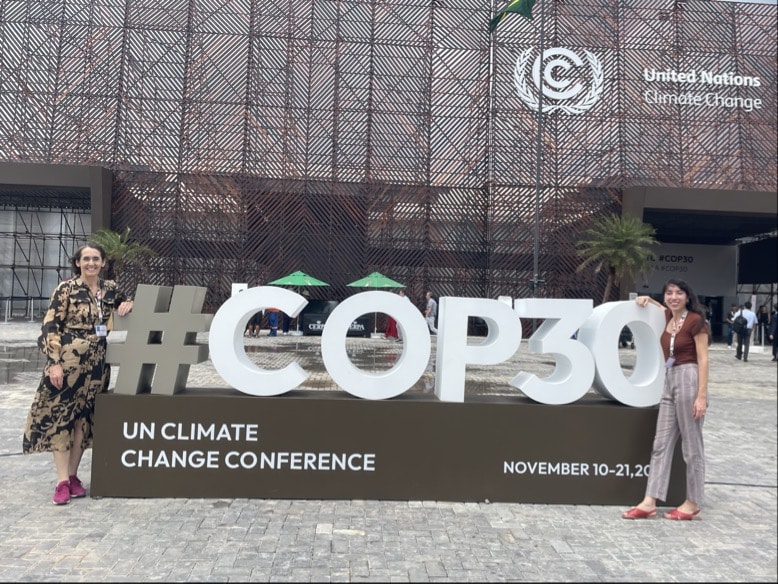
In November, Charlotte Morton and I travelled to Brazil to represent the global biogas sector at COP30. This COP was significant for several reasons: it marked nearly ten years since the Paris Agreement – the landmark 2015 accord in which nearly 200 countries committed to limiting global warming to well below 2°C and pursuing efforts to keep it to 1.5°C. COP30 was widely described as the first true “Implementation COP.” Yet it was also shaped by logistical constraints and a highly charged political atmosphere.
Here is how these elements played out and what our participation involved.
The Implementation COP
Historically, COPs have struggled to move from framework-building to delivery. Much of the negotiation effort has focused on establishing the rules and mechanisms underpinning the Paris Agreement: climate finance arrangements for developing countries, the global carbon market, and the regular cycle of Nationally Determined Contributions (NDCs). With more than 190 participating countries, progress is inevitably slow and complex.
COPs have also served as launchpads for new pledges, declarations and initiatives – many of which raise awareness but are short-lived and quickly overtaken by the next COP cycle.
Against this backdrop, Brazil’s COP30 Presidency sought to reposition the process around implementation and continuity. Instead of announcing a wave of new initiatives, the Presidency prioritised strengthening, scaling and coordinating work already underway. From my perspective, this was a welcome shift and a necessary break from the stop-start pattern of previous COPs.
Logistics – A Dispersed COP
Belém, as the gateway to the Amazon, was a symbolic and meaningful host city, but it faced well-known logistical limitations. Its infrastructure was not built to accommodate the tens of thousands of delegates who typically attend a COP.
As a result, many key events took place in the week leading up to COP30 in São Paulo, Rio de Janeiro and Brasília. Even the Leaders’ Summit, which gathers heads of state and senior ministers, occurred before the official opening in Belém.
This dispersed organisation fractured the agenda, diluted attention on the COP itself, and required some of us – including Charlotte and me – to move between multiple cities before arriving in Belém for the main negotiations.
Politically Charged – A Coalition of the Willing
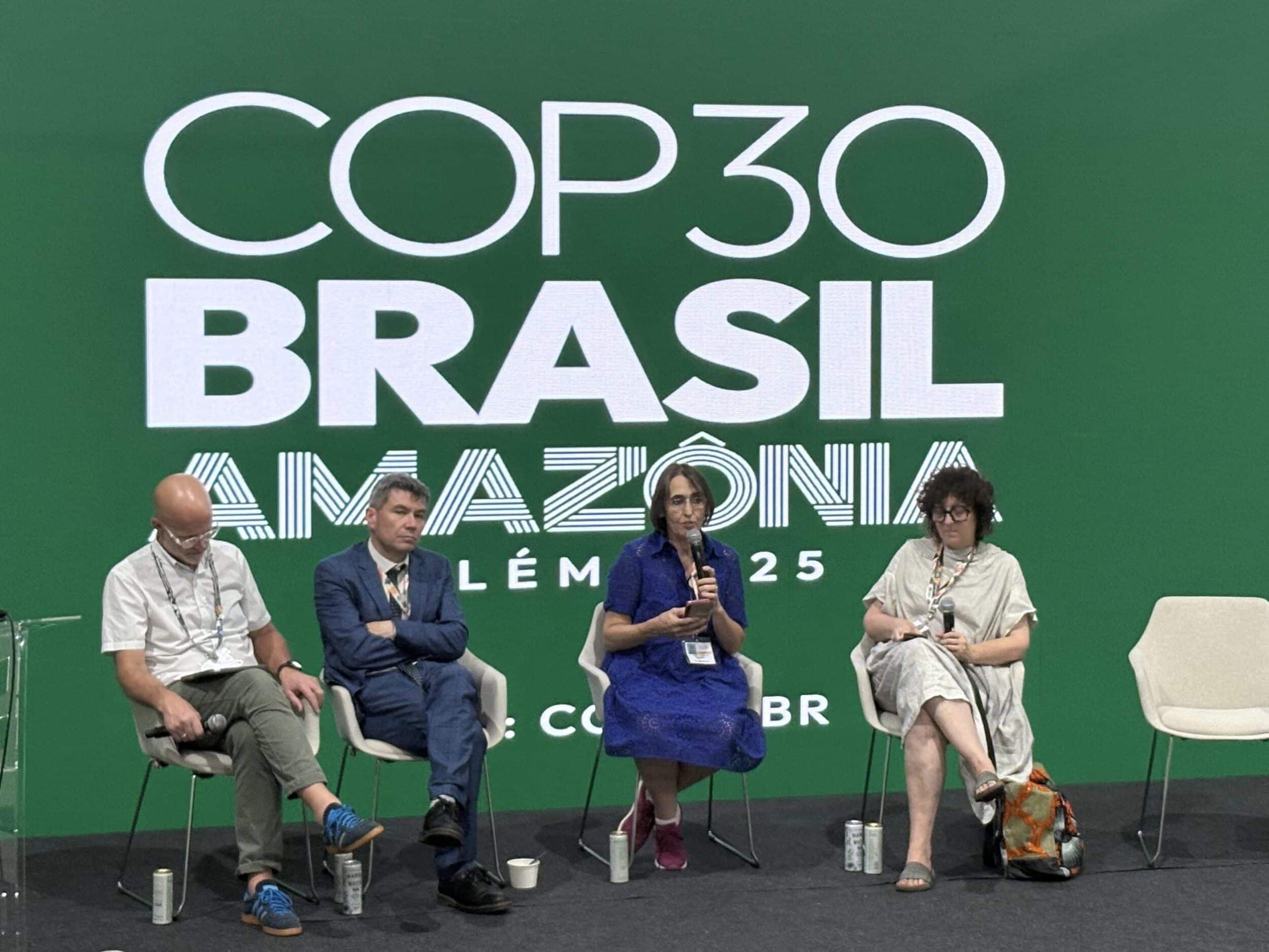
The absence of the US did not go unnoticed. Even more striking for an implementation COP was the fact that fossil fuels were not mentioned in the final negotiated text.
Nonetheless, COP30 President André Corrêa do Lago navigated the politics of an agreement between over 190 countries while announcing Brazil’s commitment to lead a year-long process, together with a coalition of willing countries, to develop a roadmap for phasing out fossil fuels. A key milestone will be the first-ever conference on a just and equitable transition from fossil fuels, to be hosted by Colombia next April.
The takeaway is clear: COPs remain indispensable for global coordination, but they are not sufficient on their own to drive the transformational change the climate crisis demands. Progress will increasingly depend on coalitions of the willing – countries prepared to move faster and further than can realistically be agreed within the formal UN process.
COP30 Highlights for the Biogas Sector
Launch of the 4× Belém Pledge
At COP30 in Belém, Brazil, India, Italy and Japan unveiled the world’s first international pledge dedicated to sustainable fuels. The 4× Belém Pledge commits signatories to quadruple global use of sustainable fuels by 2035, using 2024 as the baseline. The International Energy Agency published a report showing the target is achievable through existing national policies. During the Ministerial Roundtable, it was confirmed that 23 countries had already endorsed the pledge, with more expected to join.
Accelerating Action on Methane Emissions from Waste
Momentum to address methane emissions continues to grow. Building on COP29’s Declaration on Reducing Methane from Organic Waste, COP30 maintained a strong focus on methane mitigation in the waste sector. A major step forward was the launch of the No Organic Waste (NOW) Plan, which brings together existing initiatives to reduce methane from waste and strengthens coordination among them. Hosted by the Climate and Clean Air Coalition (CCAC), the NOW Plan aims to accelerate solutions through improved alignment, shared strategy and collective action. During its launch, the Global Methane Hub announced continued financial support for waste-sector methane mitigation, committing at least USD 30 million.
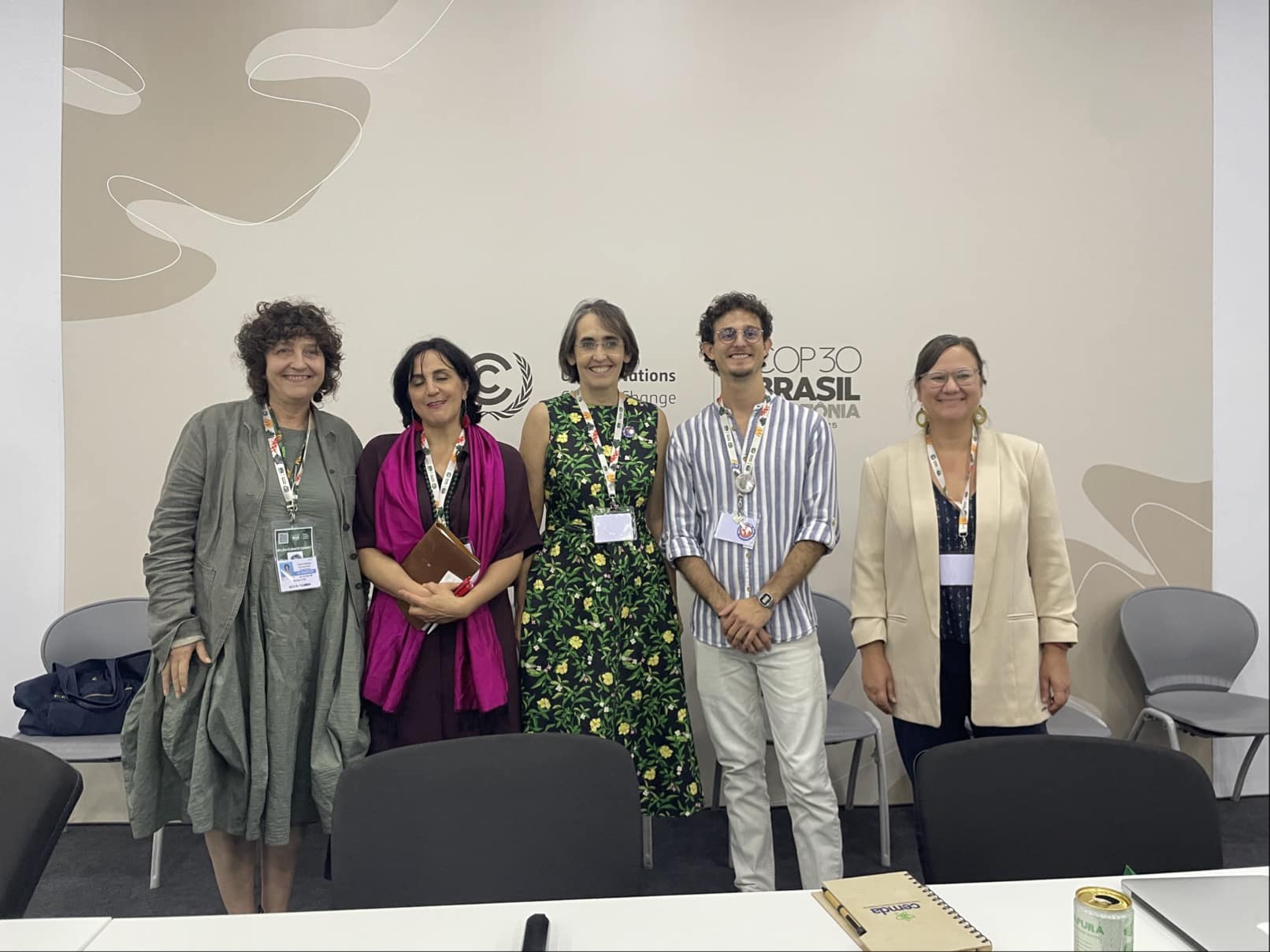
COP30 Highlights of WBA Participation
-
We attended two Clean Energy Ministerial high-level roundtables on turning the 4× Belém Pledge into action. While the first in São Paulo featured strong industry participation, the COP30 session in Belém brought exceptional ministerial support. Ministers from Brazil, the Netherlands, Italy, Canada, Japan, the UAE and Indonesia, along with senior leaders from the International Energy Agency (IEA), International Maritime Organization (IMO), International Transport Forum at the OECD, UNIDO and others, strongly endorsed the pledge. We highlighted the #MakingBiogasHappen programme and the Let Green Gas Count campaign as critical to achieving the pledge.
-
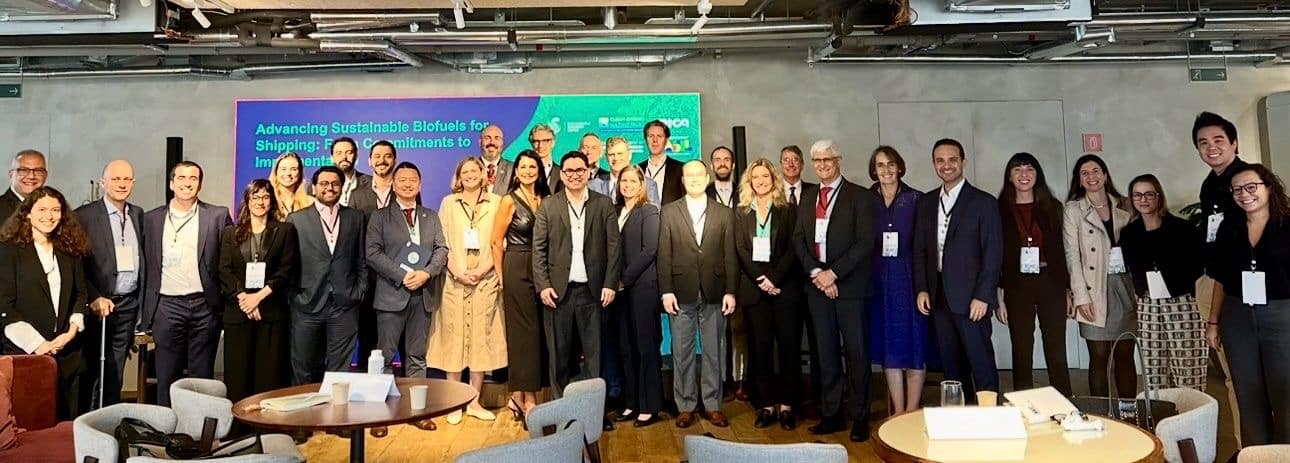
We joined the pre-COP30 roundtable on advancing Sustainable Biofuels for Shipping to prepare for the International Maritime Organization’s vote on Net Zero regulations, which was postponed but remains a live issue despite pressure from the US and Saudi Arabia.
-
We met with Camille Bourgeon from the IMO to discuss the new Net Zero regulations, the unexpected October vote, and the role the World Biogas Association can play in supporting shipping decarbonisation. The key takeaway is that the shipping industry seeks a unified global framework; regional measures would be detrimental. The next 12 months will be crucial, and the WBA will continue to support this work.
-
We attended the COP30 roundtable on “Implementation of the Carbon Accounting Solutions Acceleration Plan,” where we emphasised the need for an urgent statement from the Greenhouse Gas Protocol on the use of market-based mechanisms for renewable gases in Scope 1 emissions reporting.
-
We hosted two high-level official side events during the Energy, Transport and Industry days to showcase the growing momentum behind biogas and biomethane and outline credible pathways to rapidly and sustainably scale the sector in support of global Net Zero goals.
-
We hosted two side events in the Global Methane Hub Pavilion and World Green Economy Organization (WGEO) Pavilion highlighted the critical role of biogas in cutting methane emissions and enabling the energy transition.
-
We met with numerous stakeholders to advance the global biogas sector’s agenda and strengthen partnerships.
COP30 showed just how far biogas has come. It is no longer emerging – it is happening. As the world turns to proven climate solutions, our task is clear: double our efforts, raise our standards and push this industry forward faster than ever.